

Safe and Sound Protocol
An Additional Layer of Support Within Somatic Therapy
I integrate the Safe and Sound Protocol (SSP) into ongoing online somatic therapy for adults in Florida and Illinois when it may support the work we’re already doing together. SSP is one tool I may incorporate as part of a broader somatic approach.


When your nervous system feels guarded or easily overwhelmed
You may already understand yourself well and still notice your body reacting quickly or intensely. Certain environments might feel overstimulating. Conversations can leave you more depleted than you expect. At times you feel wired. Other times you feel tired in a way that rest does not fully touch.
Sometimes, as we work together, it becomes clear that your nervous system could benefit from another layer of support. That’s one situation where I may recommend the Safe and Sound Protocol. Rather than replacing therapy, it becomes one part of our work together, alongside conversation, body awareness, and the somatic therapy we’re already doing.
What is the Safe and Sound Protocol?

The Safe and Sound Protocol (SSP) is a listening intervention that uses specially filtered music to support your nervous system through sound.
The Safe and Sound Protocol was developed by Dr. Stephen Porges, creator of Polyvagal Theory, which explores how the nervous system responds to cues of safety and threat, particularly in connection with other people.
When we've lived with chronic stress or trauma, our nervous system can become more sensitive to everyday sounds, social interactions, and other forms of stimulation. SSP is designed to gently support how the nervous system responds to those experiences.
With me, SSP is always integrated into ongoing Somatic Experiencing therapy. We pay attention to how your body responds, adjust the pace when needed, and decide together whether adding SSP would support the work we're already doing.
Listening can look different from person to person and from session to session.



About Me

I’m Amy Hagerstrom, a Licensed Clinical Social Worker (LCSW), Somatic Experiencing Practitioner (SEP), and certified Safe and Sound Protocol provider.
I came to this work both professionally and personally. I’ve lived with anxiety and complex trauma, and while insight and coping strategies helped, they did not change how my body responded under stress. Real change began when I started mind-body approaches and working at the level of the nervous system.
I've completed the Safe and Sound Protocol myself. As I moved through it, I noticed more space in stressful moments, wasn't pulled into worst-case thinking as quickly, and became less sensitive to sound. Experiencing it firsthand gave me a deeper understanding of how SSP can complement somatic therapy for some people.
If you're interested in somatic therapy and curious about whether the Safe and Sound Protocol could support our work, we can explore whether it fits your needs.
How the Safe and Sound Protocol Works
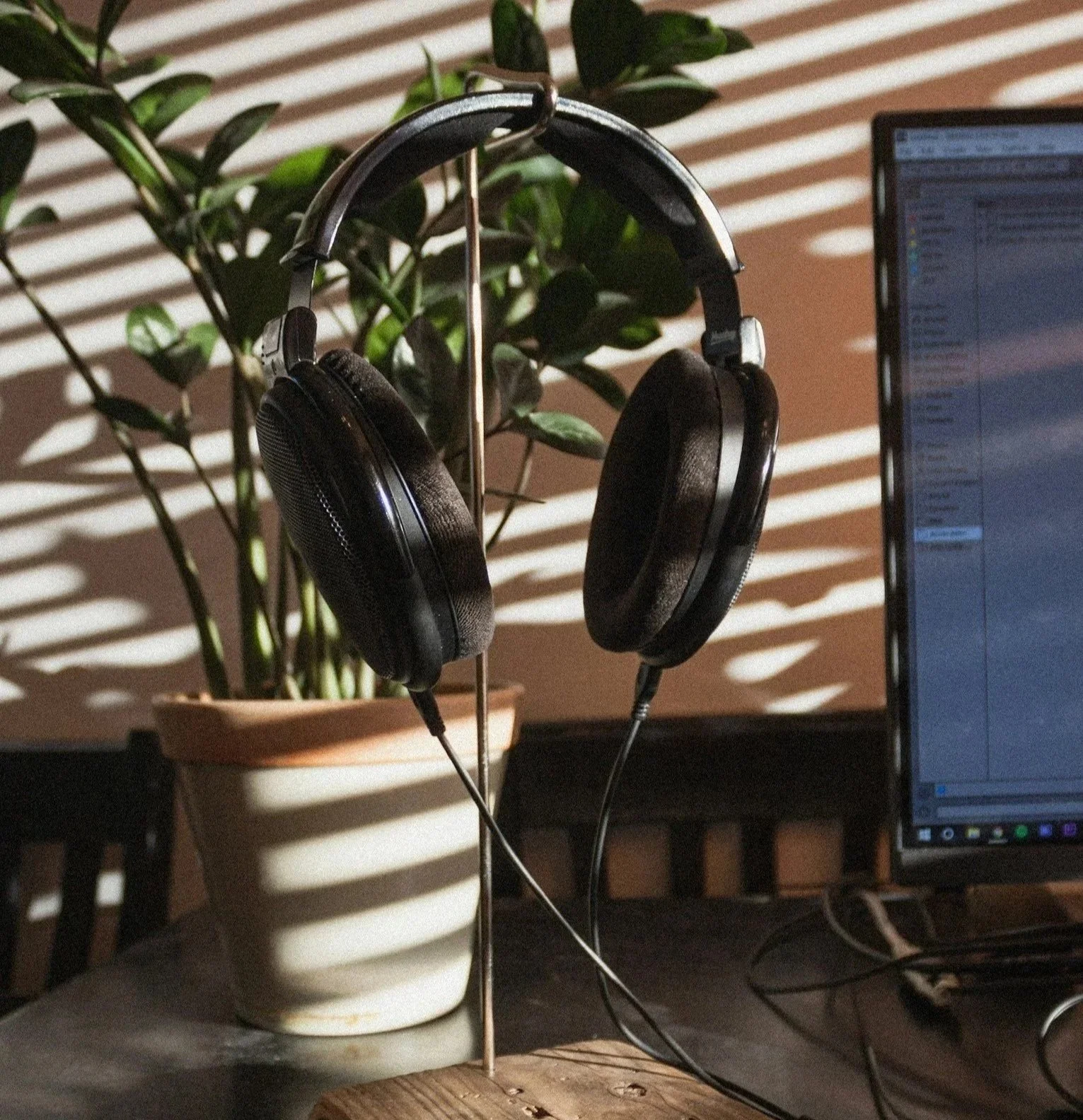
SSP involves listening to five hoursof specially filtered music through an app using over-the-ear headphones. The music is designed to support how your nervous system takes in cues of safety through sound.
The listening is done gradually, and we pay close attention to how your body responds. Some people notice subtle shifts in how they experience stress, social interactions, or sensory input. Others notice the changes more slowly. The pace is always guided by your experience.
What to Expect with Safe and Sound Protocol
Everyone responds to SSP differently, so we move at a pace that fits you. Some people listen for only a few minutes at a time, while others move more quickly. You might notice feeling more tired, more alert, more emotional, or very little at first. We'll pay attention to how your body responds and adjust the pace whenever needed.
The five hours of listening are usually spread over several months. Moving slowly often allows your nervous system to integrate the listening more comfortably.
For more information on Safe and Sound Protocol, please visit Integrated Listening.
What Listening Can Look Like
The Safe and Sound Protocol is always integrated into ongoing Somatic Experiencing therapy. Together, we'll decide when to begin listening and how it fits into the work we're already doing.
Some people complete most of their listening during sessions so we can notice and respond in real time. Others listen between sessions with guidance and support. Many do a combination of both.
You might listen sitting upright, resting back on a couch, or lying down if that feels supportive. Some people like to color, knit, or have a pet nearby while they listen. If your body needs a break, we pause. If it feels ready for more, we continue.
There isn't one right way to do SSP. We adjust the pace based on how your body responds and what fits your daily life.

Fees and Support
Initial SSP Access: $150
This includes your initial access to the SSP app.
Ongoing SSP Access + Email Support: $50/month
As you move through the listening, you'll continue to have access to the SSP app along with email support between sessions for questions, concerns, or anything you notice during the process.
SSP is available only as part of ongoing therapy with me. Therapy sessions are $200 for 55 minutes.
If we decide together to incorporate SSP into your therapy, there is an additional fee for access to the listening program and support between sessions.
Working with Clients Across Florida and Illinois
I provide Safe and Sound Protocol (SSP) as part of ongoing Somatic Experiencing therapy for adults throughout Florida and Illinois. Because our work is online, you can complete both therapy sessions and SSP from the comfort of your own home.
Many people appreciate being able to listen in a familiar environment where they already have the things that help them feel supported, whether that's a favorite chair, a blanket, a pet nearby, or a quiet room.
I regularly work with clients throughout Florida, including West Palm Beach, Delray Beach, Boca Raton, and Fort Lauderdale, as well as clients across Illinois, including the Chicago area.
Safe and Sound Protocol FAQs
-
The Safe and Sound Protocol, or SSP, is a therapeutic listening intervention developed by Dr. Stephen Porges and based on Polyvagal Theory.
It uses specially filtered music to support the nervous system through sound. In my practice, SSP is integrated into ongoing Somatic Experiencing therapy rather than offered as a stand-alone service. When it seems like it could support the work we’re already doing, we can incorporate listening alongside conversation, body awareness, and other somatic practices.
-
SSP works with the nervous system through sound.
The music is specially filtered to emphasize frequencies found in the human voice. The program was developed from Polyvagal Theory and is designed to support the nervous system’s ability to take in cues associated with safety and connection.
Some people notice changes in how they respond to sound, stress, or social interaction as they move through the listening. Within therapy, we pay attention to these responses and adjust the pace based on what you notice.
-
Yes, SSP can be helpful for some people experiencing trauma and anxiety. It may support greater regulation, flexibility, and capacity, particularly when someone experiences overwhelm, heightened reactivity, or sensitivity to sensory input.
In my practice, I may incorporate SSP into trauma therapy or anxiety therapy when it seems like a useful addition to the somatic work we’re already doing. Because people respond differently, I don’t assume SSP will be helpful simply because someone has a particular diagnosis or symptom. I consider it in the context of the person, what we’re noticing in therapy, and how their body is responding.
-
Once we’ve decided to incorporate SSP into therapy, listening can happen during sessions, between sessions, or both.
You might listen sitting upright, resting back, lying down, standing, or moving lightly. Some people color, draw, or have a pet nearby. We adjust pacing based on how your nervous system responds and what feels manageable in your daily life.
-
The core protocol includes five hours of listening.
How quickly we move through it varies. Some people move steadily. Others go more slowly and pause as needed. We decide together based on how your system responds, and there is no benefit to pushing the pace.
In my practice, the five hours are often spread across several months rather than completed quickly.
-
Some people notice temporary changes such as fatigue, restlessness, emotional sensitivity, sleep changes, vivid dreams, or increased awareness of sensations.
If you notice uncomfortable or disruptive changes, we can slow down, pause the listening, or make other adjustments. This is one reason I integrate SSP into ongoing therapy rather than approaching it as a stand-alone program. We can pay attention to how you’re responding and decide together what makes sense next.
-
SSP may not be appropriate for everyone, and there are situations where listening may need to be delayed, modified, or approached with additional care. Before incorporating SSP, I consider your current circumstances, relevant health history, and how you are responding in therapy.
If there are medical or neurological concerns that fall outside my scope, I may ask you to consult with an appropriate healthcare provider before we decide whether to proceed.
-
Yes. In my practice, SSP is integrated directly into the somatic therapy I provide rather than offered as a separate service.
If we decide to incorporate it, SSP becomes one part of our work alongside conversation, body awareness, and other Somatic Experiencing practices.
-
Yes. I integrate SSP into online therapy with clients throughout Florida and Illinois.
Depending on where we are in the process, listening may happen during a therapy session or between sessions with guidance from me. Being at home can also make it easier to have familiar supports nearby, such as a comfortable place to sit, a blanket, or a pet.


Interested in Somatic Therapy That May Include SSP?
I integrate the Safe and Sound Protocol into ongoing Somatic Experiencing therapy when it seems like a helpful addition to the work we're doing together.
If you're looking for ongoing somatic therapy and are curious about whether SSP might be part of that work, you're welcome to schedule a free 10-minute consultation.